Insurance companies encouraging drivers to voluntarily be monitored
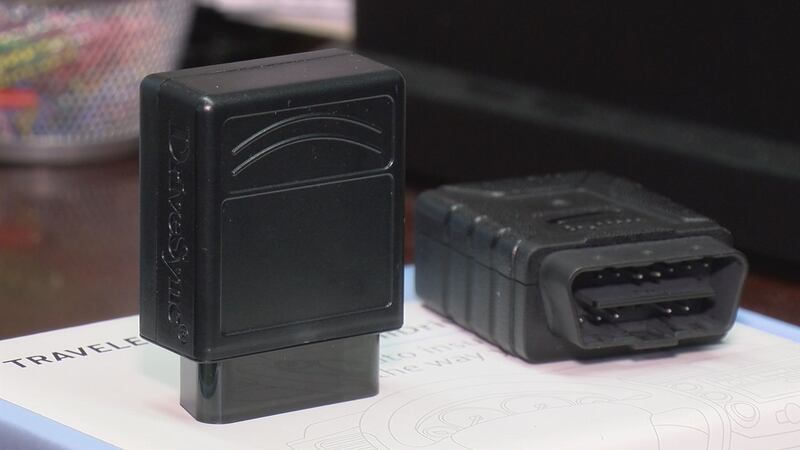
Would you be willing to be monitored behind the wheel if it could get you a discount on your insurance? That's what agents all across the country and right here in Southwest Virginia are asking customers nearly every day.
Usage-based insurance is exploding in popularity, and from a customer standpoint is fairly simple to participate in.
Depending on your insurance carrier, you either activate a smartphone application or plug a wireless device that functions like a cell phone directly into your vehicle via the onboard diagnostic port. An OBD-II port is available on nearly all cars manufactured in 1996 or later, and is where mechanics plug a code reader into for car diagnostics in the shop.
But does it really save you money, or is it just a way to track your every move?
When the car starts up, the habit is the same - windows, mirrors, and seatbelts all checked. But now is someone else double checking you?
"I was skeptical, I thought that it was a very nice consumer rating piece, however, I felt like it was big brother," Botetourt County Independent Insurance Agent Forest Wagner said. "This device is not about tracking, this device is about behavior."
Usage-based insurance tailors policies and prices to your specific driving habits, offering initial sign-on discounts and even possibly additional discounts based on how you drive. Each specific provider sets its own rates and rewards with.
Research from Allied Business Intelligence shows more than 10 million customers around the world are participating in some sort of program that monitors driving habits in exchange for the chance of receiving a better rate.
"I had a meeting last week and one of the senior leaders in that meeting stated that in the future everyone would use a dongle when they go to buy insurance," Wanger said. "Hey I'm a better driver, I want a better price, plug in this device and now you can get a better price if you truly are a better driver."
Discounts can be up to 30% depending on your carrier, and some of the devices you plug into your car wirelessly transmit driving data back to your company.
"How often you change lanes, how fast you drive, if you're an abrupt brake person or you have jack rabbit starts, that's what they're collecting," Wagner said. "It's not a where you go and what you're doing, that's the probably the biggest comment we get, what are they going to use what information are they going to collect, they're collecting very specific narrow piece of information."
Most of the programs can only get you a bigger discount, not raise your current premiums, although you need to check the fine print on each one.
Consumer rights attorney Tommy Strelka questions introducing a third-party device that transmits data from your car.
"I would imagine if you're going to have the securest network possible, you're going to need to see integration between the automotive and the insurance company to ensure that," Strelka said. "And I don't believe that's happening right now."
Wagner said companies aren't tracking where your point a and point b are, rather how you act along the way.
"Is this device going to make a bad driver better?" Wagner asked. "We would hope, but it's all about habits behind the wheel."
Not everyone is eligible for programs like this, and again most insurance companies say having this will not raise your rate but each program is different and subject to change at any time. Always read the fine print and don't be afraid to ask questions of your agent or insurance company.