Feeding Southwest Virginia bracing for impact of SNAP cuts
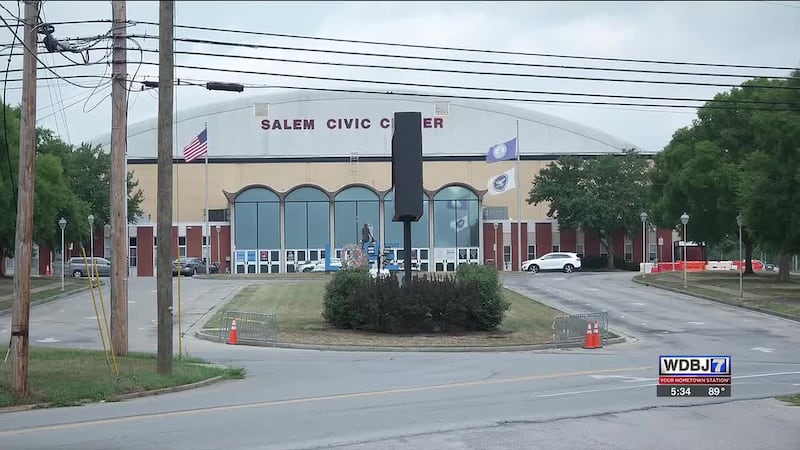
SALEM, Va. (WDBJ) - Food banks around the U.S. are preparing for the impact of cuts to the Supplemental Nutrition Assistance Program (SNAP) following the passage of President Trump’s Big Beautiful Bill in early July.
Food banks like Feeding Southwest Virginia provide meals to families in need across our hometowns. With cuts and changes coming to the SNAP program, food banks are preparing for an even greater demand for their services over the next few years.
“SNAP and these federal programs are meant to be the sustaining support for all of these families, and the charitable food distribution system that works with food banks like Feeding Southwest Virginia to our partner agencies should only support that,” said Feeding Southwest Virginia CEO Pamela Irvine. “The charitable food distribution system cannot become the sole provider to these neighbors that are going to need additional food and resources to buy food as groceries continue to escalate in prices.”
Changes to SNAP will expand the program’s work requirements to those aged 55 to 64, parents of children above the age of 14, and veterans.
“Any cuts to the program will further cause those individuals and additional individuals to come to our programs to depend upon them to meet their food needs. So that’s a little concerning for us, because resources are scarce,” said Irvine.
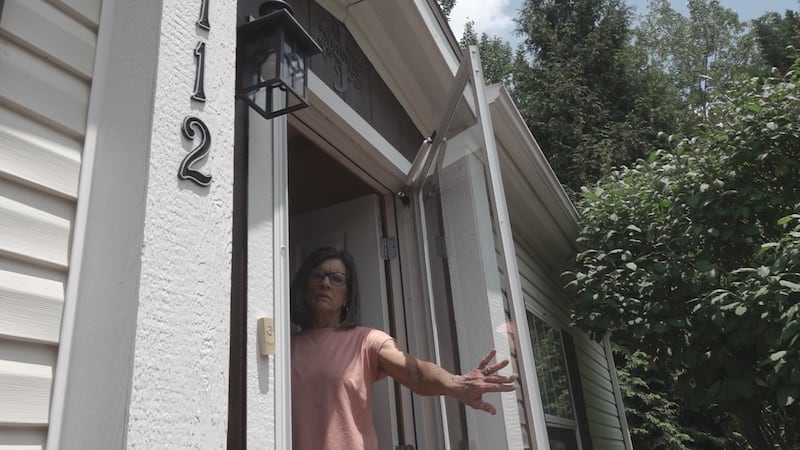
WDBJ7 spoke to a Bedford County woman at the neighborhood pantry on Melrose who said her family will be losing their SNAP benefits under the changes.
“We rely on the benefits very heavily. If we did not have the benefits, I don’t know how we would survive, because everything is really expensive,” said the Bedford woman who did not wish to give her name. “With everything that’s going on, the impact is terrible right now. So I don’t think anything should be cut at this time, not next year, or within the next four years.”
The woman said she is on disability and can’t work due to a medical condition. She said her family of four relies on food banks, as their SNAP benefits already don’t cover all the costs of the food they need.
“I don’t know what we’re going to have to do. I would probably have to try to get some type of under-the-table job, to be honest, and I don’t know how I would even work it at that point,” she said.
The woman said she voted for President Trump and is a supporter of him, but she is not supportive of the SNAP cuts.
“I didn’t vote for him to pass that bill,” she said. “I’m somebody who voted for Trump and I don’t agree with that.”
Pamela Irvine said Feeding Southwest Virginia does not directly receive federal dollars, but it does get around 30% of its food from the USDA’s Emergency Food Assistance Program.
Feeding Southwest Virginia serves 35 communities across the region. Irvine said there are more than 171,000 people in Southwest Virginia facing food insecurity. That’s about 14.9% of the population, which is a higher rate than both the state and national average.
“9% of Virginia citizens receive SNAP. One in six people depend upon their SNAP benefits in rural communities, whereas in metro and urban areas, one in 13 people depend on SNAP benefits. So we already know that individuals in rural communities have the least amount of opportunities for gainful employment,” said Irvine. “Some of the changes which require individuals to either volunteer or to work in this bill for SNAP requirements, can be particularly challenging for economically challenged areas where people don’t have an opportunity. There is no public transportation and child care is limited.”
Irvine noted that from 2019-2023, 80% of households in Virginia that received SNAP benefits had at least one person working.
“The average individual received $177 (a month) for SNAP benefits. We’re looking at only $5.84 a day. So that’s not a lot, but that’s a support safety net for individuals,” she said.
Irvine said people will be even more dependent on food banks after the SNAP cuts.
“We’re already hearing before these cuts that a lot of our partner agencies and feeding programs are experiencing anywhere between a 10-20% increase in individuals coming to get food,” she said.
Feeding Southwest Virginia is doing what it can to prepare for an increase in the need for its services.
“We are working to try to get more food in. We will be working on the Farm Bill. The Farm Bill is where more of the federally funded nutrition programs are,” said Irvine. “We’re focused on what we do best, which is finding food and feeding our neighbors. We’ll continue to do that. We’re not discouraged, we’re challenged, but we’re also focused on doing all that we can do.”
Irvine said the expectation is that the SNAP changes will be implemented in phases beginning next year and into 2027.
Copyright 2025 WDBJ. All rights reserved.