Aging Untold: Breaking the silence on urinary incontinence
(Aging Untold) — On this episode of Aging Untold, we focus on urinary incontinence: the signs, when to seek medical help and how to move past the stigma.
Plus, caregiving in the spotlight — how celebrity stories are helping more families talk about it.
Then, a rock-climbing program helping people with Parkinson’s build strength and confidence.
And a Coast Guard veteran uses beekeeping to help fellow service members find purpose after the military.
Breaking the silence on urinary incontinence and moving past stigma
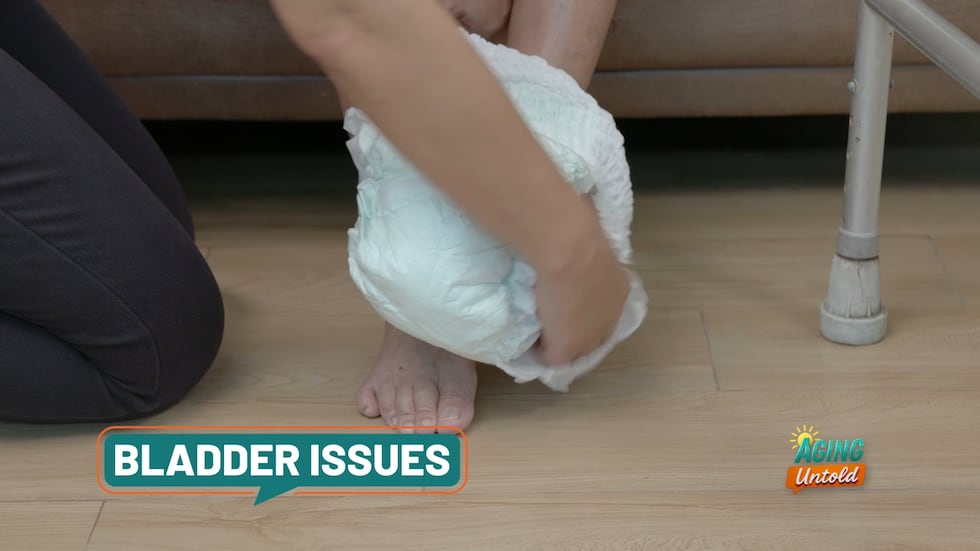
Urinary incontinence is deeply personal, and some people suffer in silence because of embarrassment and stigma.
“We have trained people to be ashamed,” Sam Cradduck, a gerontologist, said. “When we’re potty training our children, we very frequently say, ‘Big girls don’t pee their pants. Big boys don’t mess their pants.’ And so we automatically put that shame in the game.”
Many older adults begin limiting their activities because they’re worried about access to bathrooms or accidents in public.
That can include avoiding outings, social events and time with loved ones.
Help is available, and there are now affordable incontinence products.
Celebrities are talking about caregiving — why it matters
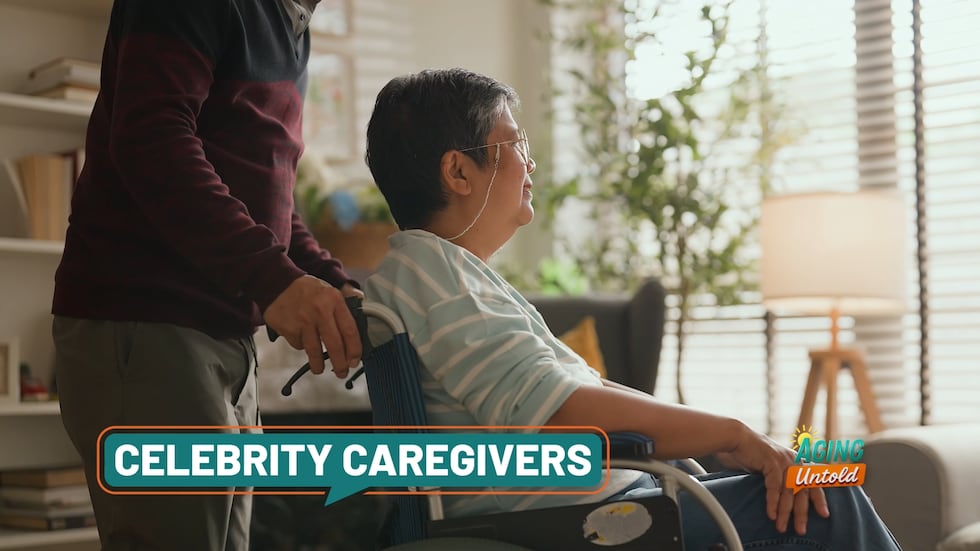
Caregiving affects everyone, no matter how famous or wealthy. From Rob Lowe to Queen Latifah, celebrities are bringing their deeply personal experiences into the public conversation.
For a long time, caregiving was something people did quietly — and alone. That’s changing. Amy O’Rourke, an aging expert, said the shift matters.
“I’m really hopeful with all these different celebrities that are openly talking about it, because the conversation needs to be lifted way high,” O’Rourke said. “It’s the great leveler. It affects every single person on this earth.”
Sam Cradduck, a gerontologist, highlighted Leeza Gibbons as an example of someone using a public platform for lasting impact.
The former host of Entertainment Tonight founded Leeza’s Care Connection to train and support family caregivers.
Saying ‘yes’ launched nationwide rock-climbing program for Parkinson’s patients

Jonathan Lessin has Parkinson’s disease and said rock climbing gives him something the disease often takes away.
“I don’t really understand how it can make you feel so good. When you have Parkinson’s, your world becomes smaller and you make smaller movements,” Lessin said. “When you get on the wall, you can just stretch out and get to the top. You feel fantastic.”
The retired physician was diagnosed with Parkinson’s disease more than 20 years ago and struggled to find a climbing gym that would let him participate.
One gym said yes.
That yes helped launch a nonprofit now serving more than 1,300 climbers across the country.
Hives for Heroes: Beekeeping program helps veterans transition to civilian life
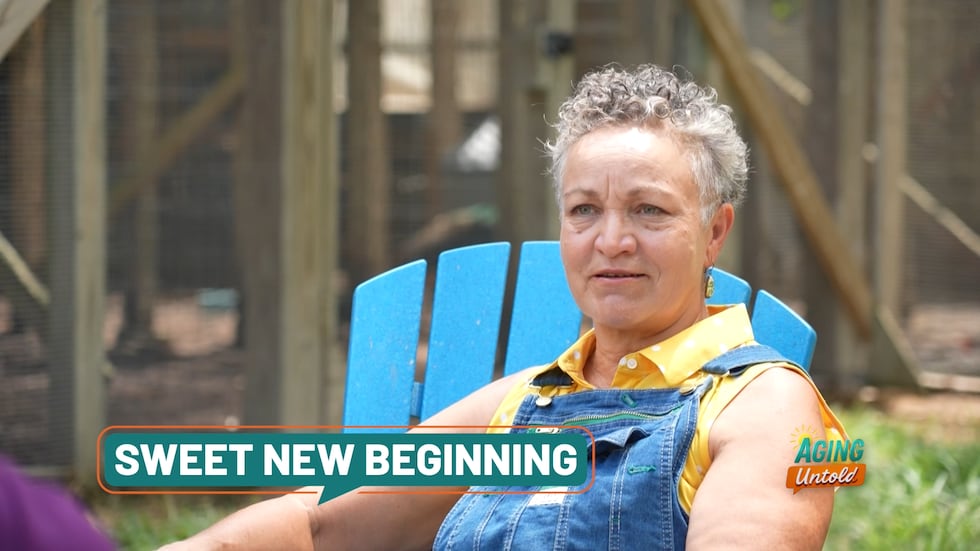
Volunteers across the nation are helping military veterans transition to civilian life through beekeeping and the national nonprofit Hives for Heroes.
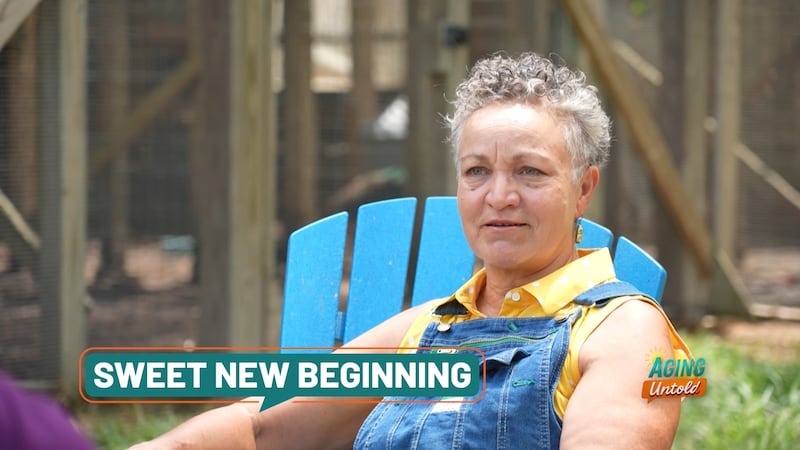
Cheri Ben-Iesau, a Coast Guard veteran who spent 25 years in the military, joined Hives for Heroes as a way to give back to fellow service members.
She operates a 50-acre apiary and blueberry farm with 27 hives, with plans to slowly increase that number.
Ben-Iesau said the program targets veterans who may be struggling after leaving the service, and she offered a message of support.
“There’s still a great life. Transition is not always easy. It’s very different from military life, but it can be done,” Ben-Iesau said. “There’s so much waiting for you out there.”
Copyright 2026 Gray Media Group, Inc. All Rights Reserved.