It’s been a record 103 days with no Atlantic hurricane. Here’s why
(Gray News) - The Atlantic hurricane season is already one for the record books.
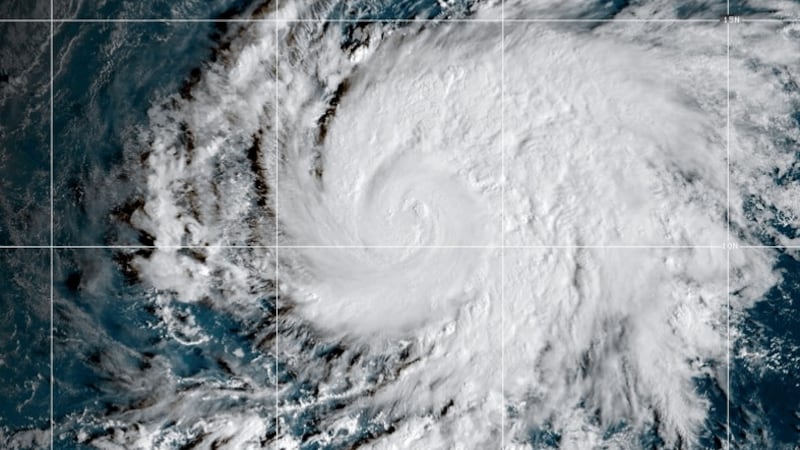
It has been 103 days since the hurricane season started, and no hurricanes have formed in the Atlantic Ocean.
That is a new record.
Since the satellite era began in 1966, the latest date that the first hurricane formed in the Atlantic hurricane season was Sept. 11. Hurricane Gustav formed on Sept. 11, 2002, and Humberto formed on Sept. 11, 2013.
Historically, the average date for the first hurricane of a given season falls on Aug. 11, with Sept. 1 being the average first date for a major hurricane, WVUE’s meteorologist Amber Wheeler reported.
CNN reported September is considered the peak of the hurricane season, but no storms are expected in the foreseeable future. Phil Klotzbach, a hurricane expert with Colorado State University, said this hurricane season has been the least active since 1950.
There have only been five tropical storms this season: Arthur, Bertha, Cristobal, Dolly and Edouard. Only Tropical Storm Edouard made a run at becoming a hurricane. It was about 14 mph shy of hurricane strength when it made landfall near the Texas-Louisiana border.
Wheeler said the average Atlantic hurricane season sees 14 named storms, seven hurricanes, and three major hurricanes.
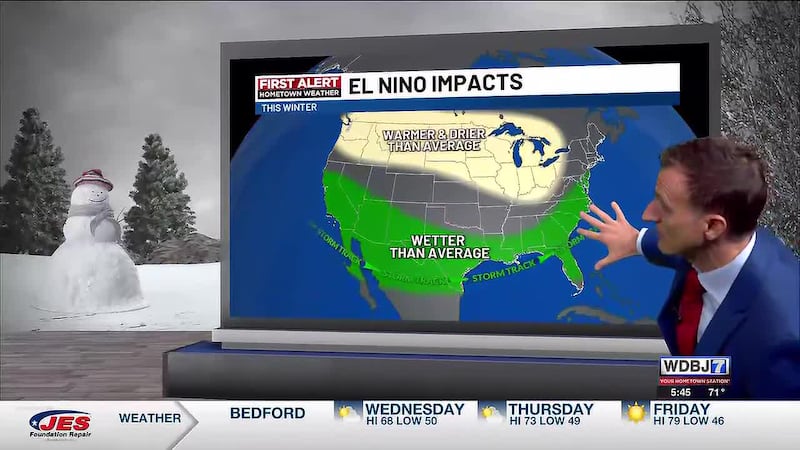
The lack of hurricanes in the Atlantic is the result of the strengthening El Niño. Wheeler reported this oceanic and atmospheric pattern make unfavorable conditions for the formation and intensification of tropical cyclones.
Specifically, the Caribbean and the Atlantic’s main development region have experienced incredibly strong upper-level winds. These wind-shear conditions can shred any fledgling storm and snuff out the few existing systems.
Last Atlantic hurricane season was also fairly quiet, with only four hurricanes forming. The U.S. managed to avoid a hurricane making landfall last year and, if this current season continues in the same manner, it will be the first back-to-back years without a hurricane landfall since 2009 and 2010.
However, there is still an opportunity for hurricanes to form during the season. Experts said late-season storms tend to develop closer to the U.S. in areas less affected by El Niño’s wind shear. Three of this year’s five tropical storms formed in the northern Gulf, an area where the wind shear is significantly weaker.
And hurricanes can find windows of opportunity to develop even during the most inactive years. No Atlantic hurricane season since 1966 has gone without at least one hurricane.
Copyright 2026 Gray Media Group, Inc. All rights reserved. CNN Newsource contributed to this report.