Hanover farmer says diesel, cattle shortage driving up beef prices
HANOVER, Va. (WWBT) - Beef prices are hitting your grocery bill as diesel costs, labor and a cattle shortage drive up the price of raising cattle, according to Studley Farms owner Paul Boulden.
Boulden said the cost for feeder cattle has peaked at almost $5 a pound in the 500 to 700 pound range for steers.
“So that means buying into the industry is very challenging for farmers or new farmers right now, or if you want to get replacement stock to finish out,” Boulden said.
Boulden has raised more than 40 cattle, plus dozens of pigs and sheep, in Hanover County for 16 years.
Diesel prices are now at record highs. Every tractor, truck and trip to market runs on diesel.
“Whether it’s moving equipment, building fences, baling hay, seeding fields for grain, your soybeans, your corn, or the harvest of those things, that higher fuel cost is consumption,” Boulden said. “Trucking, when we pull trailers of livestock or trailers of grain, trailers of hay, that’s all diesel. So that has a big impact on the farmer.”
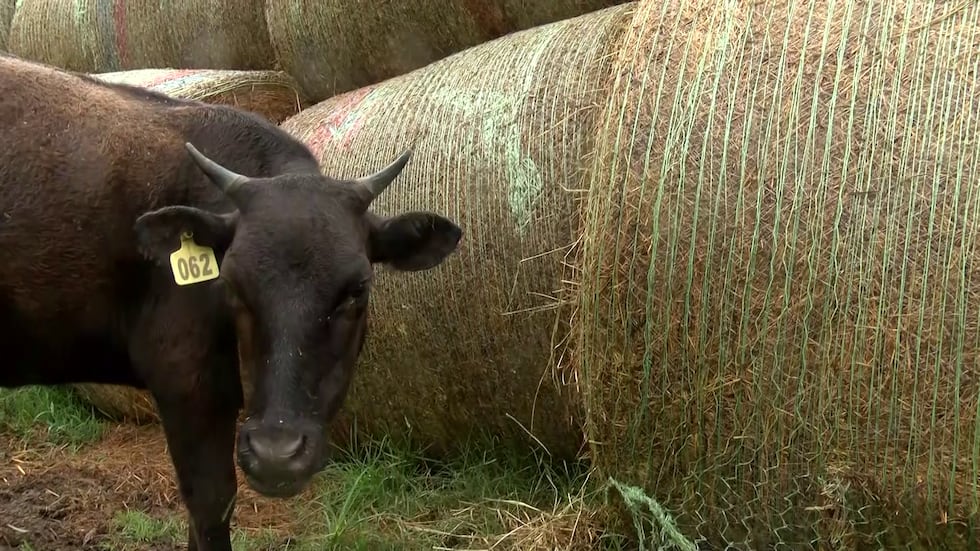
There has been a national shortage in the cattle headcount, which has been down for at least five years. The cost of hay, fencing, labor and maintenance for farming machines has also increased.
Beef prices are at the highest level since the Department of Labor started tracking prices in 1984.
The rising costs have farmers like Boulden adjusting how they operate.
“So we sit down on a, it used to be on a quarterly, then a monthly, now it’s a weekly basis,” Boulden said. “We’re sitting down looking at our input cost, seeing what we can do to sharpen the pencil a little bit more. Maybe when we’re hauling things or hauling livestock, maybe we’re able to consolidate and reduce the number of trips that we’re making by working smartly.”
In September, Gov. Abigail Spanberger declared a state of emergency over a hay shortage, making it easier for truckers to haul bigger loads.
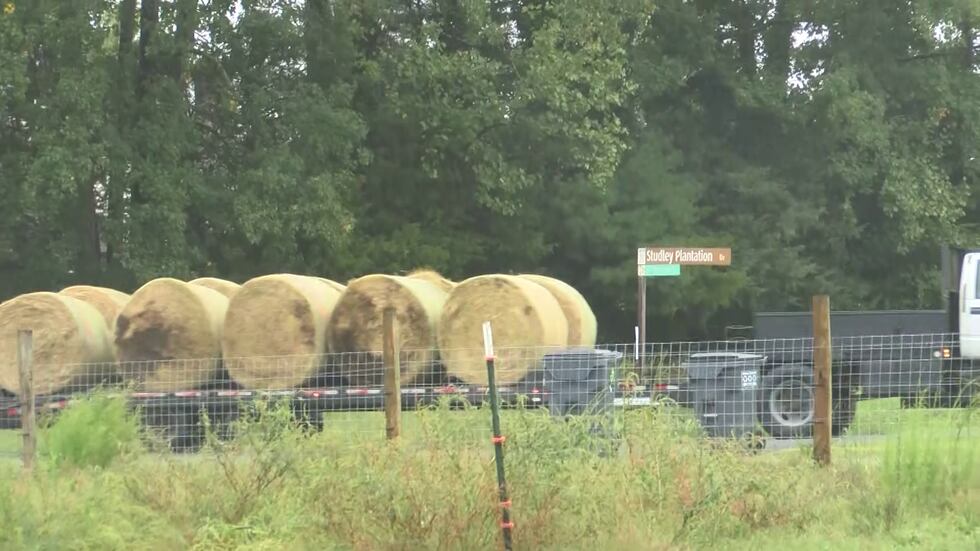
In February, the Trump administration signed an executive order quadrupling Argentine beef imports to lower prices, a move facing pushback from farmers.
Boulden said it’s key that farmers and consumers work together during the challenging times.
“To show them or educate them what we’re going through,” Boulden said. “You know, we’re going to have world events, pandemics, international conflicts that are going to have an impact on the marketplace. The consumer sees that at the grocery store.”
Copyright 2026 WWBT. All rights reserved.