Caregiver advocate shares 3 policies that could help family caregivers
Jason Resendez of the National Alliance for Caregiving explains what could ease the load for family caregivers
(Aging Untold) — More than 60 million Americans are family caregivers, balancing work, kids and care for an aging parent or loved one.

Jason Resendez, president and CEO of the National Alliance for Caregiving, recently testified before the U.S. Senate Special Committee on Aging. He joined gerontologist “Sam” Cradduck to talk through the solutions he presented.
The three policies he brought to lawmakers
Resendez said the National Alliance for Caregiving is championing changes “to address so many of the pain points that family caregivers face every day.”
1) Older Americans Act funding
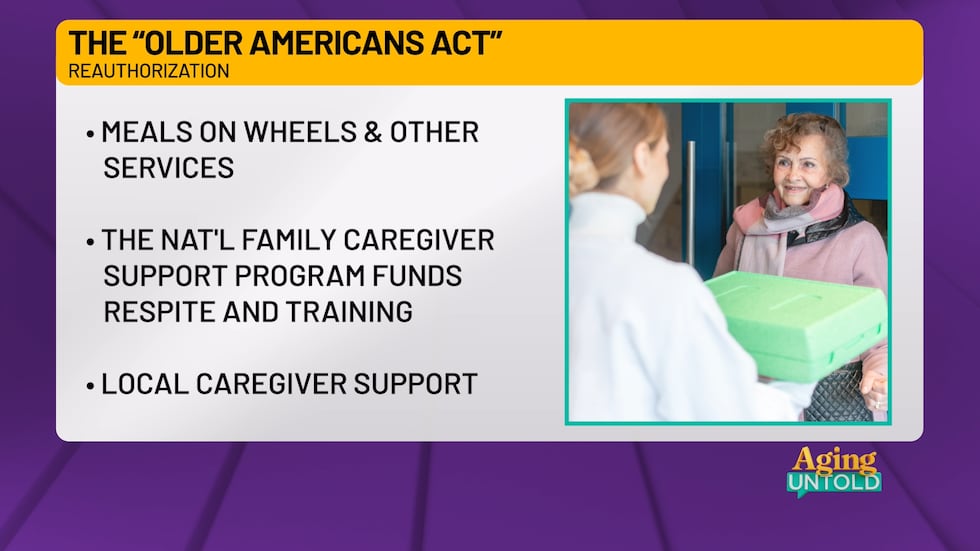
He said one priority is reauthorization and funding of the Older Americans Act. Resendez said the law provides dollars for state Area Agencies on Aging to deliver services for older adults, such as Meals on Wheels and caregiver support.
“One of the only federal line items for caregiving comes through the Older Americans Act, and it’s called the National Family Caregiver Support Program,” Resendez said.
He said the program funds respite, which gives caregivers the chance to take breaks. It also funds training, education and outreach, so family caregivers have peer support and someone to turn to when navigating local resources.
The program is funded at about $200 million a year, Resendez said.
“That’s a drop in the bucket compared to the scale of the need for this kind of support,” he said.
2) National paid family and medical leave
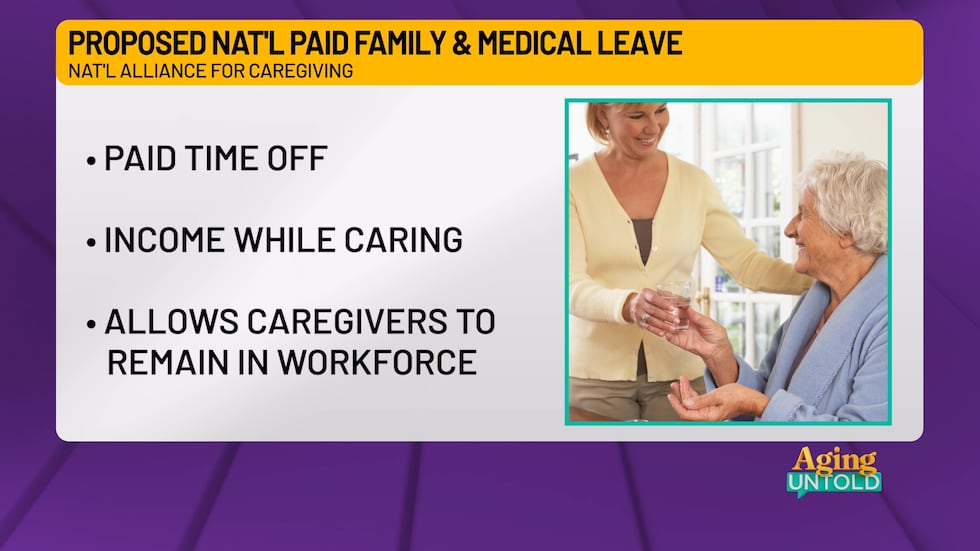
Another priority is a national paid family and medical leave program.
“We are still one of the only industrialized nations that doesn’t have a paid family and medical leave program,” Resendez said.
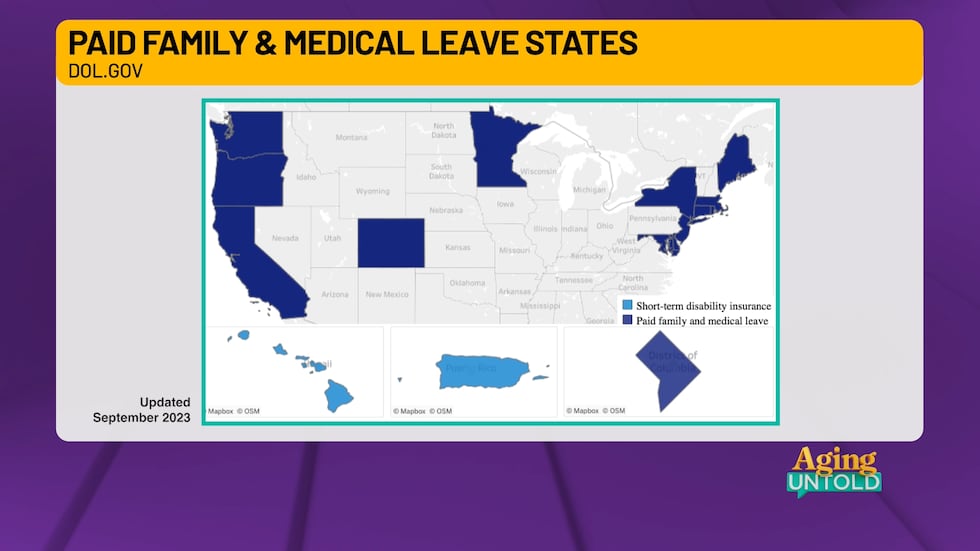
He said 13 states and the District of Columbia have set up programs because of the lack of federal action. Virginia is the first southern state to do so, Resendez said.
A national program “can help people provide care while staying in the workforce and putting food on the table,” Resendez said.
3) A bigger role for Medicare
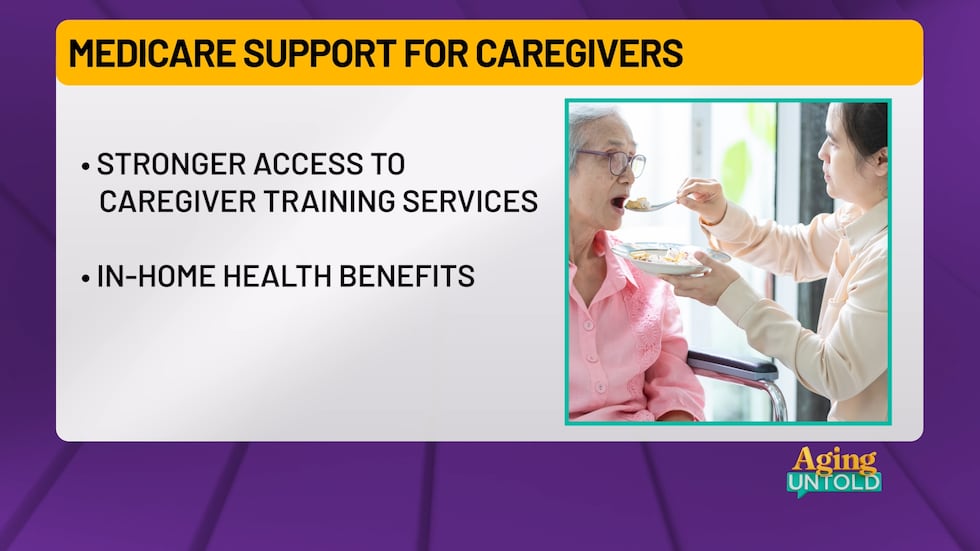
Another priority is for Medicare to do more to recognize and support family caregivers. Resendez said the group is pushing for stronger access to caregiver training services and stronger in-home health benefits through Medicare.
He said the three policies together “represent a stronger foundation to help family caregivers provide care sustainably, with dignity and with equity over time.”
If only one policy passed
When asked which policy would be most beneficial if only one were to pass, Resendez pointed to Medicare.
He said changes there would bring immediate support to families and modernize a program created in 1965. He said the older adult community has changed since then.
An in-home health benefit, stronger caregiver support and parity with what Medicaid does for low-income families would “transform what it looks like to age in America today,” Resendez said.
Extending that support to families at all income levels “would revolutionize what it looks like to provide care in America today,” he said.
One step to take in the next 30 days
Cradduck asked for one concrete step that lawmakers, employers or communities could take in the next 30 days.
For Congress, Resendez said the step is to pass the Older Americans Act.
“And so that’s a no-brainer there for policymakers who want to step up for family caregivers and do it on an issue and policy that’s extremely bipartisan, is to cast that vote to reauthorize the Older Americans Act,” Resendez said.
For employers, he said the first step is asking employees whether they have caregiving responsibilities.
Employers are not systematically asking that question, he said, and without that data, they are not designing benefits for employees who are handling both work and caregiving.
Find more with Jason Resendez
Copyright 2026 Gray Media Group, Inc. All Rights Reserved.